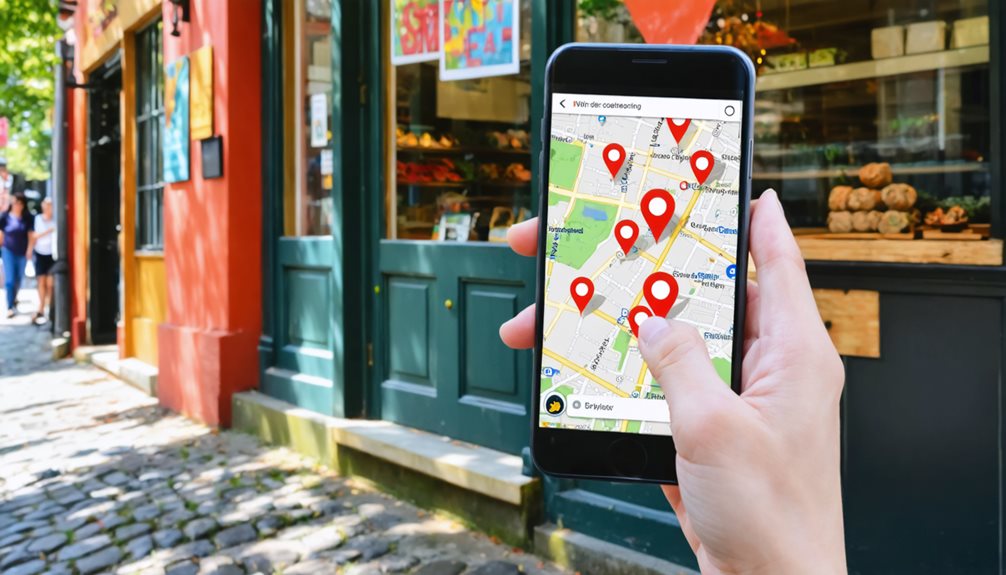

Improving your local SEO doesn't have to cost a fortune. Start by optimizing your Google My Business listing—make sure your address, phone number, and hours are precise. Utilize local directories for consistent citations, and encourage positive customer reviews to enhance your online presence. Create location-specific content by highlighting local events or attractions, which engages your community. Finally, keep an eye on your performance metrics and adjust your strategies accordingly. These simple, cost-effective steps can greatly boost your visibility. If you're curious about even more tactics to elevate your local SEO, there's plenty more to explore!
Optimize Google My Business
In today's digital landscape, optimizing your Google My Business (GMB) listing is essential for enhancing your local SEO. Start by ensuring your business information is accurate and up-to-date—this includes your address, phone number, and business hours. Inconsistencies can confuse potential customers and affect your ranking.
Next, take advantage of Google Insights to analyze how customers find your listing. This data helps you understand what's working and where you can improve. Pay attention to metrics like search queries and customer actions to refine your strategy.
Don't overlook the power of Business Posts. Regularly share updates, promotions, and events directly through your GMB profile. These posts not only engage your audience but also signal to Google that your business is active and relevant. Aim for consistency; posting at least once a week can keep your listing fresh and appealing.
Lastly, encourage satisfied customers to leave positive reviews. Responding to these reviews shows you value customer feedback and can strengthen your online reputation. By mastering these elements, you're well on your way to optimizing your GMB listing and boosting your local SEO.
Leverage Local Citations
After optimizing your Google My Business listing, the next step is to leverage local citations to further improve your local SEO. Local citations are mentions of your business across various online platforms, such as local directories, blogs, and social media. They help search engines validate your business's existence and relevance in your area.
Start by identifying key local directories relevant to your industry.
Don't stop at just the well-known directories; explore niche-specific sites as well. These can greatly boost your visibility to your target audience. Monitor your citations regularly to verify they remain accurate. If you find outdated or incorrect information, update it immediately to maintain citation consistency.
Finally, encourage customers to leave reviews on these platforms. Positive feedback can enhance your credibility and improve your local search rankings. By strategically leveraging local citations, you position your business as a trusted authority in your community, ultimately driving more traffic and customers your way.
Create Location-Specific Content
How can creating location-specific content elevate your local SEO strategy? By tailoring your content to reflect your community, you not only boost your visibility in local searches but also foster deeper connections with your audience. This approach allows you to integrate local keywords naturally, making your website more relevant to search engines and potential customers.
To get started, consider these actionable ideas:
- Local Events: Write about upcoming events in your area to showcase your commitment to community engagement.
- Neighborhood Guides: Create in-depth guides for different neighborhoods, highlighting their unique features and attractions.
- Customer Stories: Share testimonials or case studies from local customers to build trust and relatability.
- Local Partnerships: Collaborate with nearby businesses and create content that reflects these partnerships, enhancing your local network.
Encourage Customer Reviews
Encouraging customer reviews can greatly enhance your local SEO efforts. Positive reviews not only boost your online reputation but also improve your visibility in local search results. Start by implementing review incentives, such as discounts or loyalty points, to motivate customers to share their experiences. This can remarkably increase the quantity and quality of reviews you receive.
Make it easy for customers to leave feedback by providing direct links to your review platforms. After a purchase or service, send a follow-up email thanking them and kindly asking for a review. This personal touch can increase the likelihood of receiving feedback.
When reviews come in, respond promptly. Thank customers for their positive feedback and address any concerns raised in negative reviews. A timely response shows that you value customer opinions and are committed to improving your services. This not only encourages more reviews but also builds trust with potential customers.